

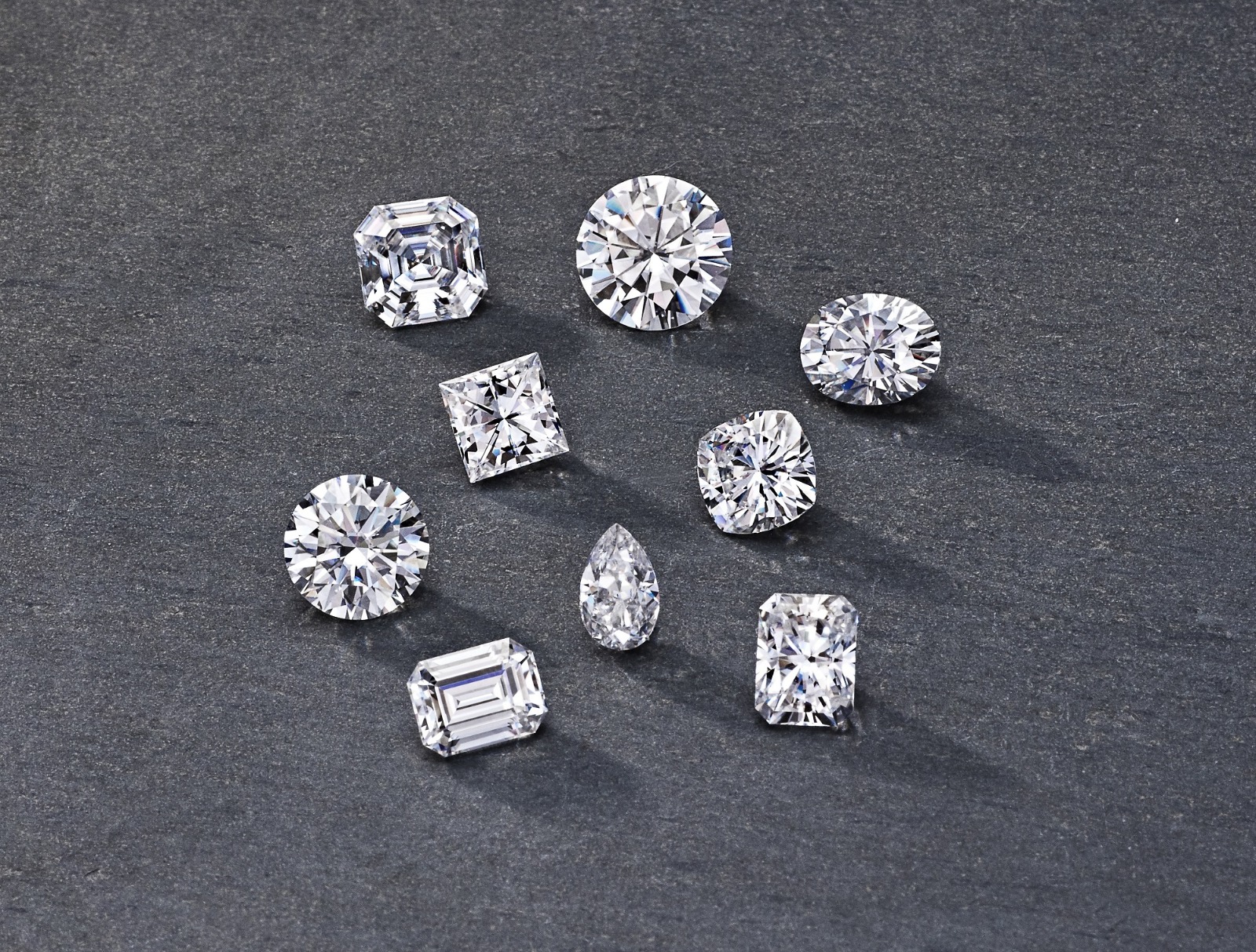
Lab Grown Diamonds
Lab-grown diamonds, also known as synthetic or cultured diamonds, are diamonds that are created in a controlled laboratory environment rather than being mined from the Earth. These diamonds possess the same physical, chemical, and optical properties as natural diamonds, making them a sustainable and ethical alternative to mined diamonds. Due to advancements in technology, lab-grown diamonds have gained significant popularity in the jewellery industry and industrial applications.
Main Features
Identical Composition
Lab-grown diamonds have the same carbon structure (crystalline) as natural diamonds, making them virtually indistinguishable without specialized equipment.
Sustainability
Since they are created in a lab, they eliminate the environmental and ethical concerns associated with traditional diamond mining.
Affordability
Typically, lab-grown diamonds are 20-40% less expensive than natural diamonds due to the absence of mining costs.
High Purity and Quality
Lab-grown diamonds often have fewer inclusions and defects compared to natural diamonds, making them a preferred choice for high-quality jewellery.
Availability
Unlike natural diamonds, which take millions of years to form, lab-grown diamonds can be produced in a matter of weeks, ensuring a steady supply.
Customization
These diamonds can be manufactured in various sizes, shapes, and colors to meet specific requirements.
Manufacturing Process of Lab Grown Diamonds
Lab-grown diamonds are created using two primary methods:
High-Pressure High-Temperature (HPHT) Process
This method mimics the natural diamond formation process by applying extreme heat and pressure to carbon.
A small diamond seed is placed in a high-temperature (above 1,500°C) and high-pressure (over 5 GPa) environment.
Carbon source (graphite or hydrocarbon gas) is introduced, and under intense conditions, carbon atoms begin to crystallize around the seed.
Over time, a rough diamond forms, which is then cut and polished into a finished gemstone.
Chemical Vapor Deposition (CVD) Process
The CVD method allows for more controlled diamond growth by using a gas-based environment.
A diamond seed is placed inside a chamber filled with carbon-rich gases such as methane.
The chamber is heated to around 800-1,200°C, breaking down gas molecules and allowing carbon atoms to deposit onto the seed layer by layer.
Over a few weeks, the diamond grows to a desirable size and is then cut and polished.
Conclusion
Lab-grown diamonds provide an ethical, sustainable, and high-quality alternative to natural diamonds. With continuous advancements in technology, these diamonds are becoming more popular in both jewellery and industrial sectors. Their affordability, availability, and environmentally friendly nature make them an excellent choice for consumers looking for high-quality, conflict-free diamonds.